How the samples were built
Every sample on this site is a working system, not a screenshot. These are the build notes: the problem each one solves, what was actually built, and the proof that was measured — not promised. Open any of them and check the claims yourself.
Track a live project →LARAS — the invitation that runs the wedding admin
The problem
A wedding invitation is usually a pretty page plus a chaotic chat thread. Guests ask where, when and what to wear; RSVPs scatter across chats; the couple counts heads by hand.
What was built
One self-contained file carrying 47 working features: a cover that opens for each guest, personal links that put a guest’s name on the cover and their table on the seat plan, an RSVP wall that answers back, a countdown that turns itself into a live broadcast on the day, and a print companion with its own QR code — encoded from scratch, no library.
The proof
Passed an independent inspection with zero findings. Its behavioural test suite passes across all three themes, and a file-diet pass cut the page weight by 45% without removing a single feature.
KIRANA — the salon that answers “how long is the wait?” itself
The problem
A salon’s front desk spends the day answering one question — how long is the wait? — while the bookings live in a notebook and the prices live in someone’s memory.
What was built
A walk-in queue that runs itself: three zones, take a number, watch it move. A booking flow that stacks treatments into one visit, applies the house discount by itself, exports a calendar file, and speaks two languages — with prices that follow the language, rupiah or dollars.
The proof
A 33-point behavioural probe passes end to end. Zero horizontal overflow at every width from 300px to 390px — including the 317px frame this very site demos it in. Accessibility pass: visible focus rings, honest aria states.
RUMAH TEDUH — a villa site that keeps Bali time
The problem
A small villa’s website is usually a photo album with a phone number. The guest still has to ask the only question that matters: is it free, and what does it cost?
What was built
A booking engine in a single file: real per-night pricing with a weekend uplift, extras, tax and a confirmation code. The site keeps Bali time — six dayparts shift its palette, greeting and photographs through the day, and reception opens and closes itself.
The proof
Behavioural probe 17 of 17, including exact booking totals to the rupiah. One self-contained file — no CDN, no external fonts — verified at desktop and phone widths with zero errors.
ARUSDETAIL — every lead scored in the open
The problem
Leads arrive in chats and calls, then they wait. The ones answered late buy elsewhere, and nobody can say which ones were worth answering first.
What was built
An intake form that scores every lead from 0 to 100 in the open — package, urgency, budget fit, source, completeness — then a five-stage pipeline, a follow-up queue ordered by promise time, duplicate merging by phone number, and WhatsApp drafts the owner approves first. Nothing is ever sent automatically.
The proof
Passed an independent inspection with zero findings, after two rounds. Its one-click automation cleans ten messy rows into eight new leads and two merges — counted exactly, not estimated.
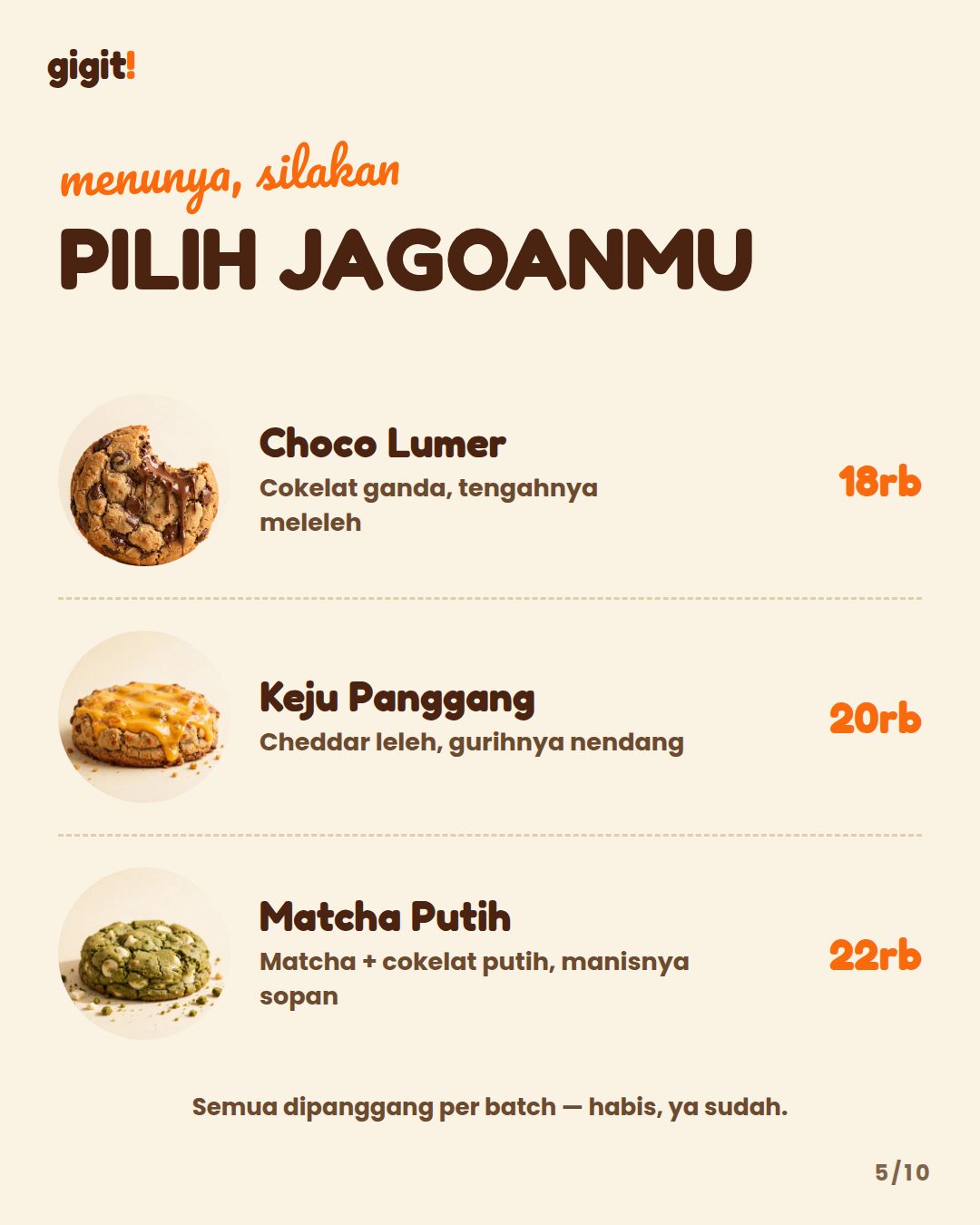
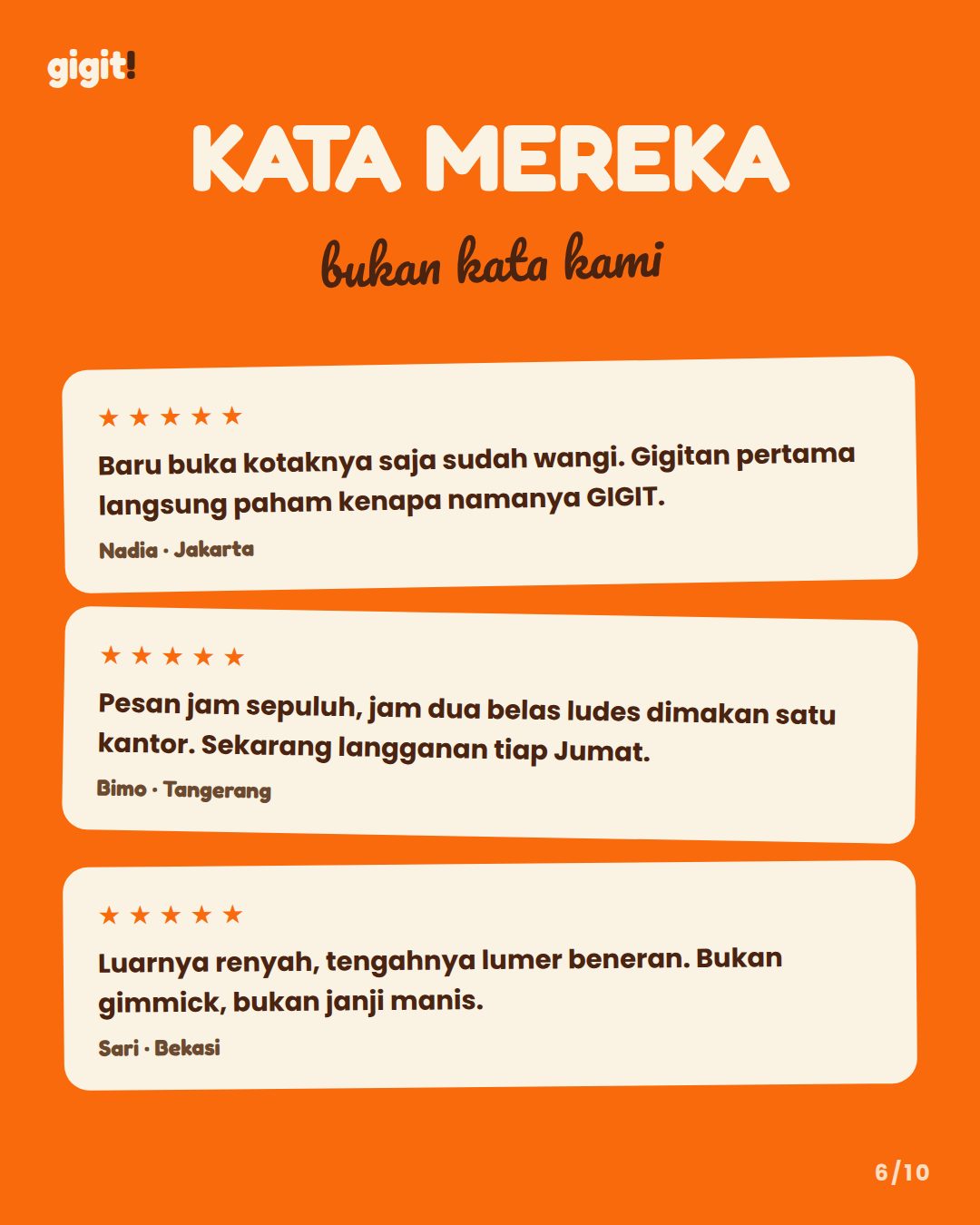
GIGIT! — one system, nineteen panels
The problem
A small food brand needs a feed that sells — without a photoshoot budget, a designer on staff, or a brand-new idea every single week.
What was built
One design system that stretches: ten feed panels arcing from first bite to order button — menu with prices, testimonials, three-step ordering, a bundle promo — plus five story-format panels and a second, darker colourway for seasonal editions. Type does the talking; the photography is generated to one consistent grade.
The proof
Nineteen panels from one system, every one exact at 1080px and numbered. The set is installed live as this site’s Brand & logo demo — go and swipe it.